What ScreenshotEdits is teaching me about workflow-first product design
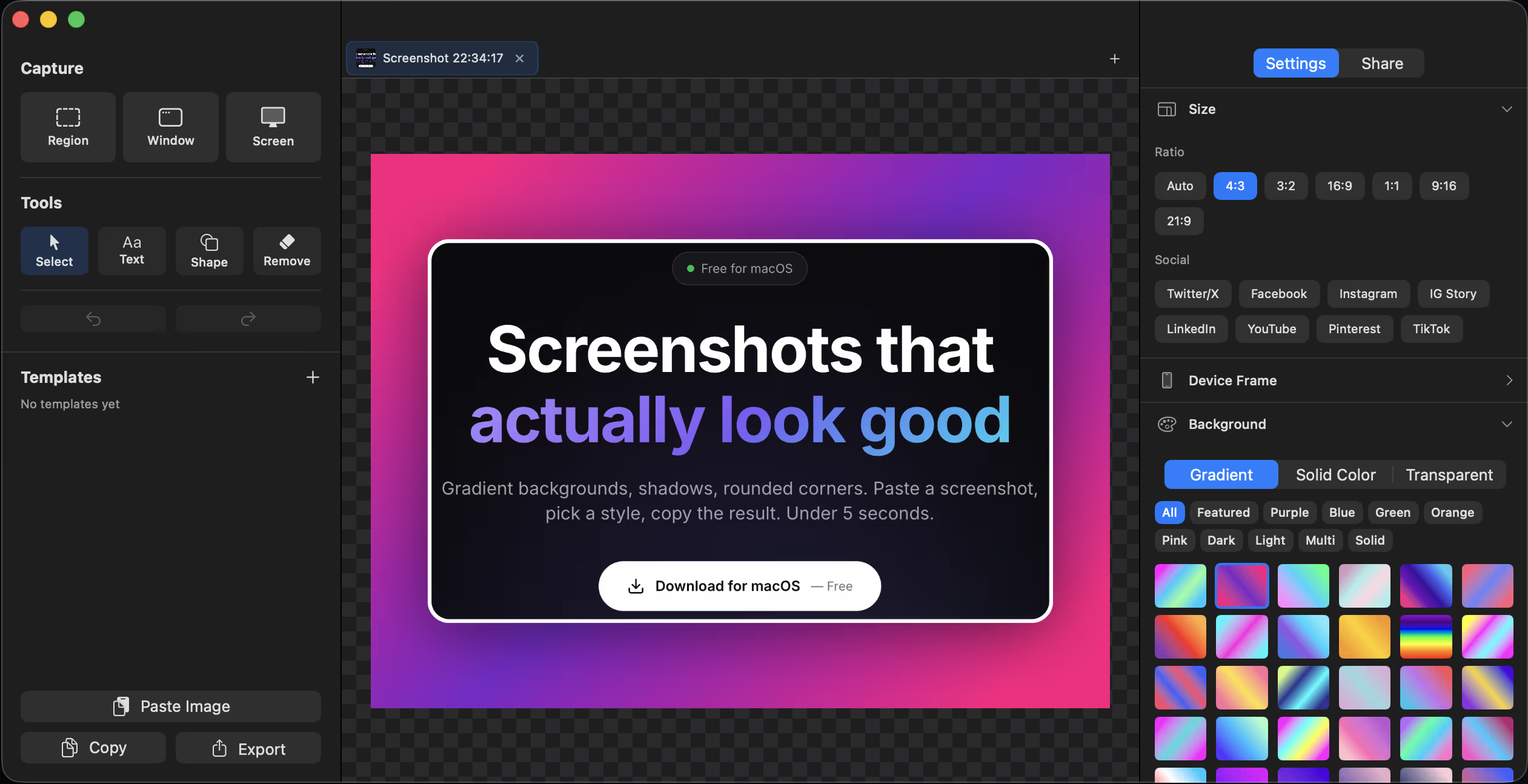
ScreenshotEdits keeps reinforcing one product lesson: narrow workflow pain, visible before-after value, and clear proof beat another broad AI feature pile.
Higher-signal pieces built from data, trends, examples, and a real point of view.

ScreenshotEdits keeps reinforcing one product lesson: narrow workflow pain, visible before-after value, and clear proof beat another broad AI feature pile.

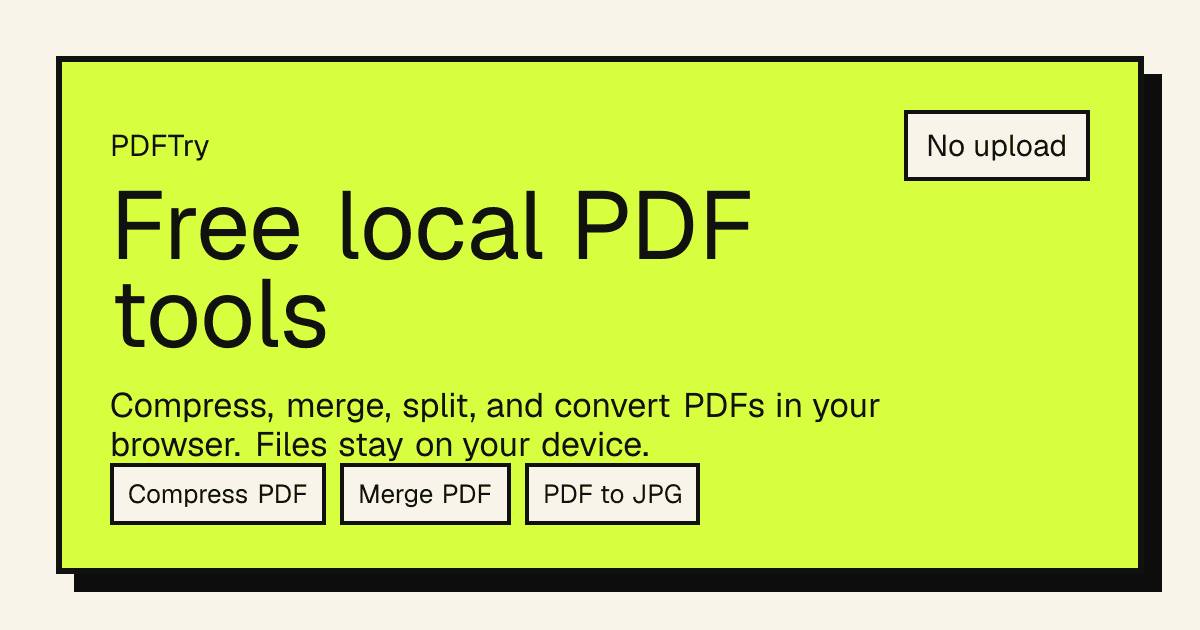
PDFTry made a crowded PDF category easier by leading with a no-upload trust promise. Here is what that changed in the product, page structure, and supporting content.

A first-party teardown of the homepage, navigation, products, systems, and content routes I used to make nielskaspers.com clearer for AI search and operator clicks.

Internal links are no longer just crawl hygiene. In AI search, they route evidence, reinforce entity context, and shape which pages are easiest to cite and trust.

A first-party workflow report on how I route Claude Code, OpenClaw, and n8n with clear delegation, restart notes, and approval gates so automation stays readable.

Product pages rarely win AI-era discovery alone. They need surrounding comparison, proof, and workflow content that answers buyer questions before the page can convert.

A privacy-first promise only works when the proof is visible. Lessons from building PDFTry into a sharper category play in a crowded PDF market.

Programmatic SEO still compounds, but only when each page earns trust with real utility, proof, and clear internal routing instead of template sprawl.

Harness engineering is becoming the real moat in agent systems because the edge has shifted from model access to permissions, context, verification, approvals, and observability.

MCP is no longer just a protocol story. It is becoming a discovery and distribution layer for agent-facing software. Here is why that matters, what changed this week, and where most teams are still thinking too small.

A proof-heavy teardown of the AI setup that helps PMs ship products, automate repeat work, and keep context instead of drowning in tool sprawl.